

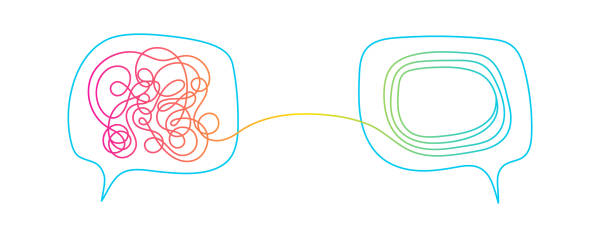
One of the patterns I frequently see with ADHD clients in therapy is a pattern of intense focus and activation on a present-day issue in the session that often feels like a crisis.
A difficult interaction with a partner. An overwhelming work situation. A forgotten deadline. A conflict with a family member. An unexpected email. A perceived rejection.
For many ADHD nervous systems, these experiences don’t simply register as stressors. They can feel immediate, urgent, and all-consuming.
By the time a client arrives for therapy, the current challenge is often taking up so much space that it feels impossible to focus on anything else.
And that makes perfect sense.
ADHD is not simply about attention. It is also about regulation, emotional intensity, working memory, and the nervous system’s ability to prioritize information. When something feels activating, the brain naturally shifts attention toward the most immediate source of distress.
The challenge is that if every session becomes devoted entirely to the latest crisis, therapy can begin to feel like emotional firefighting. Clients may experience temporary relief, but deeper therapeutic goals can slowly drift further into the background.
This is where structure becomes an act of care.
Structure Is Not Rigidity
Many ADHD clients have spent years receiving messages that they are disorganized, inconsistent, or “not trying hard enough.”
Because of this, therapists must approach structure thoughtfully.
Structure should never feel controlling.
It should feel supportive.
The goal is not to force clients away from what feels important. The goal is to help them hold both the immediate concern and the larger therapeutic process at the same time.
A well-structured session communicates:
“I see that this is important.”
“We will make space for it.”
“And we are also going to stay connected to the bigger picture of what brought you here.”
For many clients, this can be a profoundly corrective experience.
Keeping the Therapeutic Process at the Front End
One of the most valuable practices I use with ADHD clients is beginning sessions with intentional orientation.
Before diving deeply into the current stressor, we pause together and revisit:
- What are we working toward?
- What are the treatment goals?
- Where are we in the therapeutic process?
- What would feel most helpful to focus on today?
This brief check-in often creates enough distance for clients to shift from reacting to reflecting.
Rather than becoming pulled entirely into the urgency of the moment, they can begin making intentional decisions about where to place their attention.
In EMDR therapy, this is particularly important.
Staying Steady Through the Phases of EMDR
EMDR is a structured model for a reason.
The phases exist to create safety, predictability, and effectiveness.
When an ADHD client arrives highly activated, it can be tempting to immediately pivot toward the presenting crisis. Sometimes that is clinically appropriate. Other times, however, the most supportive intervention is helping the client reconnect with where they are in the EMDR process.
Are we still building stabilization skills?
Do we need more preparation work?
Is this current trigger connected to an existing target?
Can we use this activation as information rather than allowing it to completely redirect treatment?
These conversations help clients understand that therapy is not ignoring their current experience. Instead, therapy is helping place that experience within a larger framework.
Over time, clients often begin developing greater trust in both themselves and the process.
Deciding Together How Much Space the Current Problem Needs
One of the most effective strategies is collaborative time allocation.
Rather than allowing the current issue to unconsciously take over the session, therapists can invite clients into a shared decision-making process.
For example:
“This situation sounds really important. We have an hour together today. How much time would feel helpful to devote to understanding what’s happening right now, while still leaving space for the work we’re doing toward your larger goals?”
This approach accomplishes several things.
It validates the significance of the current experience.
It supports executive functioning.
It strengthens self-awareness.
And it helps clients practice prioritization without feeling dismissed.
Most importantly, it reinforces that therapy can hold multiple truths at once.
The current stressor matters.
And the larger healing process matters too.
Avoiding Negative Schema Activation
For many ADHD clients, redirection can unintentionally activate old wounds.
A therapist’s attempt to maintain structure can sometimes be interpreted through the lens of long-standing beliefs:
“I’m too much.”
“I’m doing therapy wrong.”
“People don’t care about what’s important to me.”
“I always get off track.”
This is why relational attunement is so essential.
Before redirecting, we validate.
Before structuring, we connect.
Before returning to the treatment plan, we acknowledge the emotional reality of what the client is carrying.
The message becomes:
“What you’re bringing today makes sense.”
“I care about it.”
“And I want to help you decide how we can use our time in the way that will serve you best.”
When structure is paired with genuine attunement, clients often experience it not as correction, but as support.
Structure as Co-Regulation
Perhaps the most important thing to remember is that structure itself can be regulating.
Many ADHD clients spend their days navigating overwhelm, competing demands, and internal pressure to keep up.
A therapy session that provides gentle guidance, clear direction, and a steady therapeutic frame can become a powerful experience of co-regulation.
Not because the therapist takes control.
But because the therapist helps hold the thread when everything else feels scattered.
In that way, structure is not separate from the therapeutic relationship.
It is part of the relationship.
And for many ADHD clients, learning that they can bring their whole, overwhelmed, activated selves into a space that remains calm, organized, and connected may be one of the most healing experiences therapy has to offer.
Warmly,
Tamara

